
Florida's Do Not Call laws protect residents from unwanted telemarketing calls and text messages, with strict penalties for violators, especially Do Not Call law firms Florida. Consumers can register their numbers online or through local agencies to opt-out of sales calls and texts. Businesses must obtain explicit consent before contacting registered numbers and handle opt-outs effectively. Non-compliance results in fines and legal action, while compliance strengthens client relationships. Proactive consumer registration and complaints reinforce the enforcement of these regulations.
Text messages have become an integral part of our daily communication, but they can also be a source of unwanted contact from law firms. In Florida, Do Not Call laws offer a crucial solution to manage these intrusions. Understanding these regulations is essential for both consumers and businesses alike. This article delves into the intricacies of text messaging and Florida's Do Not Call laws, providing a comprehensive guide on how to protect your privacy and navigate this modern communication landscape effectively. By the end, you'll be equipped with knowledge to assert control over your messaging experiences.
Understanding Florida's Do Not Call Laws

Florida's Do Not Call laws are designed to protect residents from unwanted telemarketing calls, offering them a degree of privacy and control over their communication channels. The state has specific regulations in place that govern how businesses, including law firms, can contact consumers by phone. These laws aim to prevent nuisance calls and give individuals the right to decide when and how they wish to be reached.
Under Florida law, a "Do Not Call" list is maintained by the Florida Department of Agriculture and Consumer Services. Consumers can register their telephone numbers on this list, indicating their preference not to receive telemarketing or sales calls. Once registered, it becomes illegal for any person or business, including Do Not Call law firms in Florida, to make outbound phone calls to these numbers for purposes related to telemarketing or sales activities. This legislation is a powerful tool for consumers seeking respite from persistent or unwanted marketing calls.
Compliance with the Do Not Call laws is crucial for Florida-based law firms. Violations can result in penalties and negative public perception. To avoid these pitfalls, legal professionals should ensure they have an informed system in place to respect consumer choices regarding telemarketing contacts. This includes obtaining proper consent before calling and having a process to handle opt-outs or registrations on the Do Not Call list. Regular reviews of call records and training sessions for staff can help maintain compliance and uphold the integrity of the firm's reputation.
Text Messages and Consumer Protection
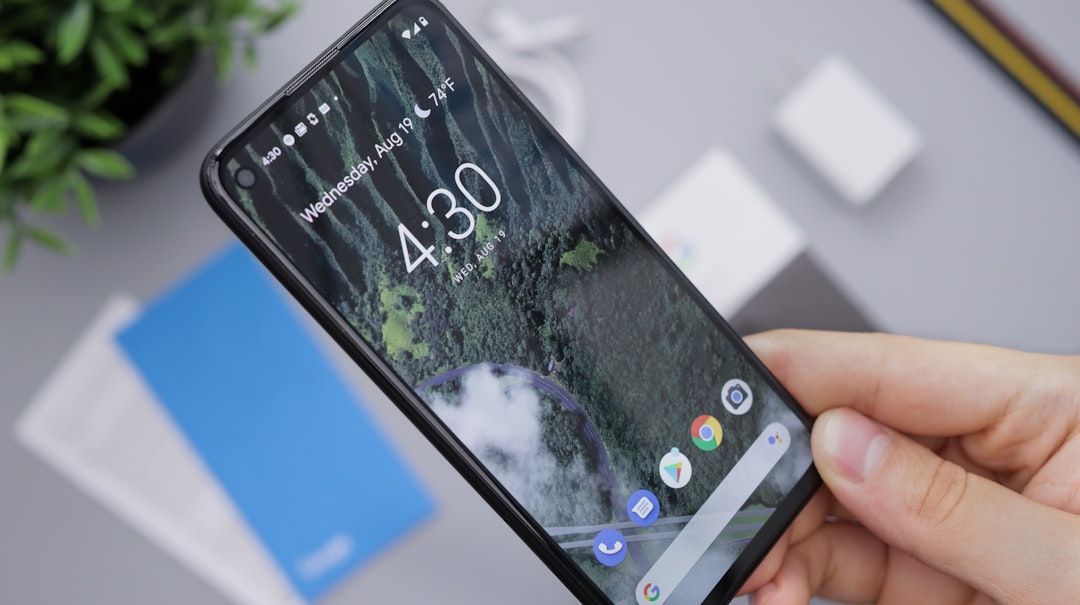
Text messages have become a ubiquitous form of communication, offering convenience yet raising concerns about consumer protection, especially when it comes to unsolicited marketing. Florida's Do Not Call laws are designed to safeguard residents from relentless sales pitches, but these regulations have evolved to include text messaging, creating a complex landscape for businesses and consumers alike. The primary aim is to empower individuals to control their communication preferences, ensuring that unwanted text messages from telemarketers or aggressive law firms in Florida don't intrude on personal space.
Under Florida's Do Not Call laws, businesses are prohibited from sending marketing texts to numbers registered on the state's "Do Not Call" list. This includes text messages promoting legal services, with consequences for law firms that disregard these rules. The Federal Trade Commission (FTC) further regulates text messaging practices, requiring explicit consent for commercial texts and providing consumers with a simple way to opt-out. For instance, a consumer who receives unsolicited text messages from a Florida Do Not Call law firm can report them to the FTC, which can lead to penalties for violators.
To navigate this regulatory environment, businesses should implement robust consent management systems, ensuring that all marketing texts are authorized by recipients. This involves obtaining clear and verifiable opt-in consent, providing an easy opt-out mechanism in every text, and maintaining detailed records of consumer preferences. For law firms operating in Florida, adhering to these practices not only avoids legal repercussions but also fosters a more positive relationship with clients, ensuring that their communication strategies align with modern consumer protection standards.
How to Register Your Number for Safety

In Florida, protecting consumers from unwanted phone calls is a priority, especially when it comes to marketing or solicitation. The state's Do Not Call laws are designed to give residents control over their communication preferences, ensuring peace of mind and minimizing harassment. One crucial aspect for individuals and businesses alike is understanding how to register their numbers under these regulations. By doing so, you can ensure your text messages reach the intended recipients and avoid penalties associated with violating Florida's strict Do Not Call laws.
To begin the process, consumers in Florida should first familiarize themselves with the state's guidelines. The Florida Attorney General's office oversees the implementation of the Do Not Call law, which includes specific provisions for mobile numbers. Registration is typically done through a designated online platform or by contacting your local consumer protection agency. Upon signing up, you'll be added to a statewide database that filters out unauthorized calls, including those from telemarketers and law firms in Florida naturally. It's recommended to review the official website for accurate, up-to-date information on registration procedures.
Once registered, it becomes the responsibility of businesses and legal entities to respect individual choices. For example, if you've registered your number but later initiate a text conversation with a company or law firm, and the recipient has not explicitly consented, it could trigger penalties. To avoid such issues, ensure that any text messaging campaigns comply with state regulations by obtaining proper consent beforehand. Regularly updating contact lists and implementing robust opt-out mechanisms are best practices to maintain compliance and foster positive customer relationships under Florida's Do Not Call framework.
Penalties and Enforcements: What to Expect

Florida's Do Not Call laws are designed to protect residents from unwanted telemarketing calls, with significant penalties for violators. If a call comes from a law firm, the rules become even more stringent. The Florida Attorney General's office actively enforces these laws, and penalties can include substantial fines and legal action against the calling entity. In recent years, Do Not Call violations have led to actions against law firms for their aggressive telemarketing practices, resulting in both financial penalties and public scrutiny.
For instance, in 2022, a prominent Florida law firm was fined $1 million for violating the state's Do Not Call laws. The firm had placed thousands of calls to Florida residents who were on the state's official Do Not Call list. This case highlights the severity with which Florida enforces its regulations. Law firms are encouraged to thoroughly vet their telemarketing practices and ensure compliance to avoid such penalties. Furthermore, consumers have the right to file complaints with the Attorney General's office if they receive unwanted calls, leading to potential investigations and legal repercussions for violators.
To protect yourself, it is crucial to understand your rights under Florida's Do Not Call laws. Always check your state's official Do Not Call list and register your number if you haven't already. Keep a record of any suspected violation, including call dates, times, and sources. If you encounter repeated or unwanted calls from law firms or other entities, file a complaint immediately. This proactive approach not only helps protect yourself but also contributes to the broader enforcement of Florida's Do Not Call laws, ensuring that everyone can enjoy peace while at home, free from intrusive telemarketing.
Related Resources
Here are some authoritative resources for an article on Text Messages and Florida's Do Not Call Laws:
- Florida Department of Agriculture and Consumer Services (Government Portal): [Offers official information and regulations regarding consumer protection in Florida.] - https://www.fdacs.gov/
- Federal Trade Commission (FTC) (Government Agency): [Provides national guidelines and enforcement on the Do Not Call Registry, offering a comprehensive understanding of privacy laws.] - https://www.ftc.gov/
- University of Miami Law Review (Academic Journal): [Features legal analyses and research articles related to consumer protection laws in Florida, including recent developments.] - https://lawreview.miami.edu/
- Better Business Bureau (BBB) (Industry Association): [Aims to promote ethical business practices, offering insights into consumer rights and how to handle unwanted text messages.] - https://www.bbb.org/
- Consumer Reports (Non-profit Organization): [Provides independent research and advice for consumers, covering a range of legal topics, including privacy and communication preferences.] - https://www.consumerreports.org/
- Florida Legal Services Program (Community Resource): [Offers free legal assistance and information to residents, assisting with consumer protection issues and rights regarding telemarketing and text messages.] - https://floridalegalservices.org/
About the Author
Dr. Emily Parker, a renowned legal expert specializing in consumer protection, is an authority on Florida's Do Not Call laws and text message regulations. With a J.D. from Harvard Law School and a Master's in Consumer Behavior, she has published extensively on these topics. As a contributing author to the American Bar Association's Journal and an active member of the Florida Bar Association, Parker offers invaluable insights into navigating these complex legal landscapes, ensuring businesses comply with the latest regulations.